The New York Times, Aug. 2, 1931.
Living Conditions Inside Attica
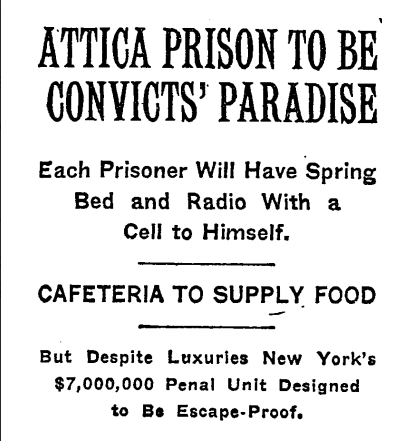
When Attica Prison opened on August 2, 1931, newspapers called it a "convicts' paradise." New York State promised it would be different from the average overcrowded prisons in America.
The New York Times, Aug. 2, 1931.
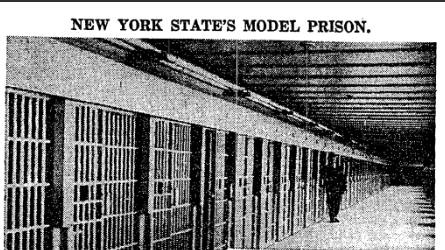
The New York Times, Aug. 2, 1931.
"Said to be the last word in modern prison construction, the new unit in the State's penal system will do away with such traditions as convict bunks, mess hall lockstep, bull pens, and even locks and keys. Doors will be operated by compressed air, sunlight will stream into cells and every prisoner will have an individual radio."
Lewis,
The New York Times, 1931.
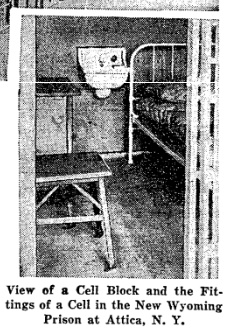
The New York Times, Aug. 2, 1931.
By 1971, none of those promises were fulfilled.
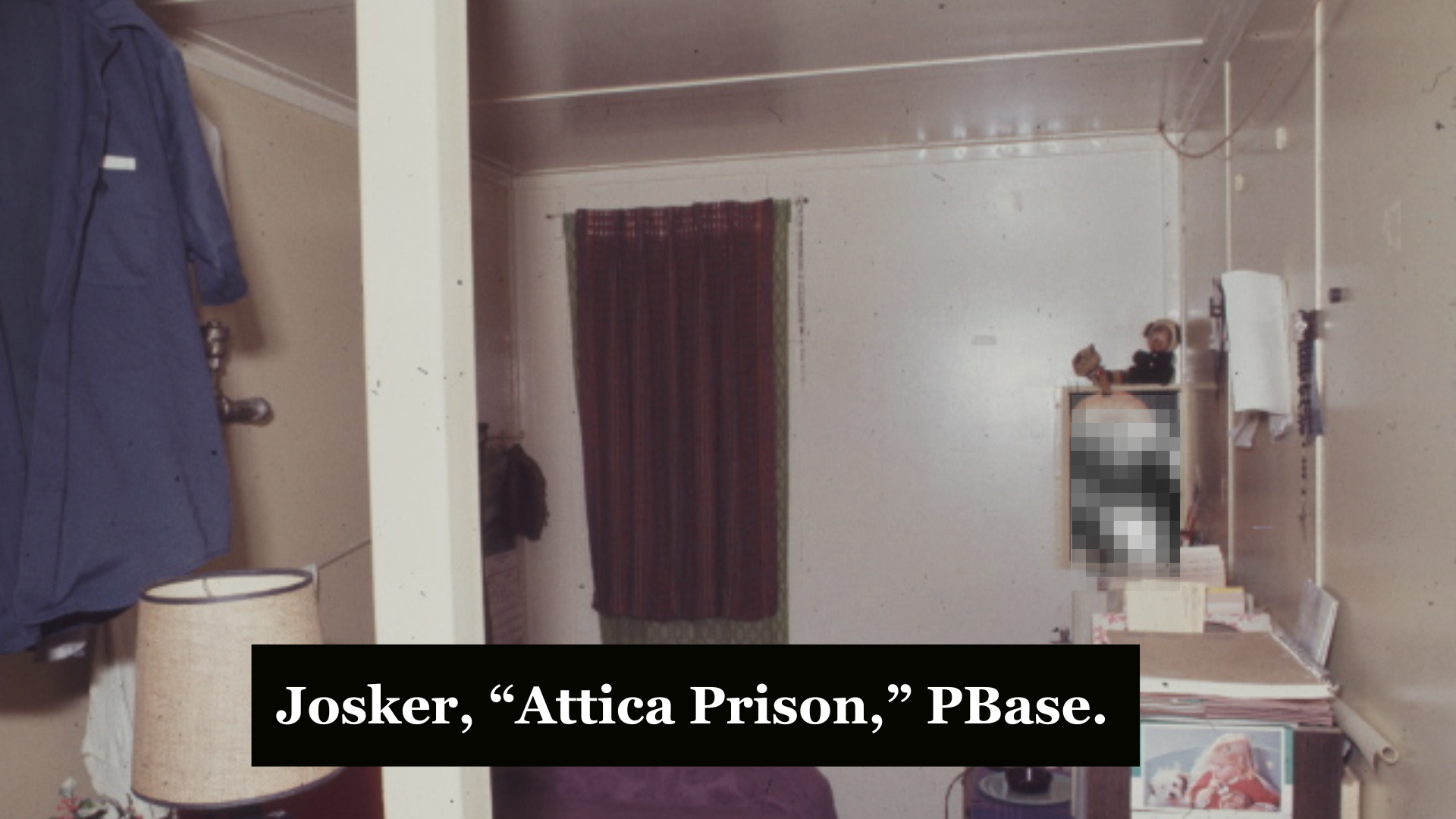
Attica was severely overcrowded, holding 2,243 men in space for 1,600. Prisoners had a 63¢ daily food budget, only one weekly shower, spent up to 16 hours a day in six-by-nine-foot cells, and had no education system (Britannica).
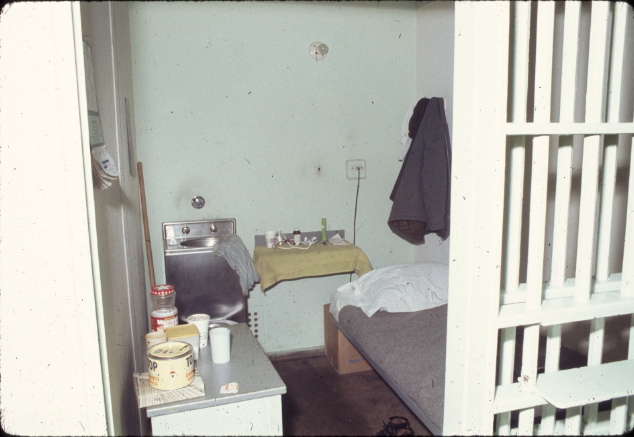
Josker, “Attica Prison,” PBase.
“Before long, prisons like Attica were bursting at the seams.” (Thompson)
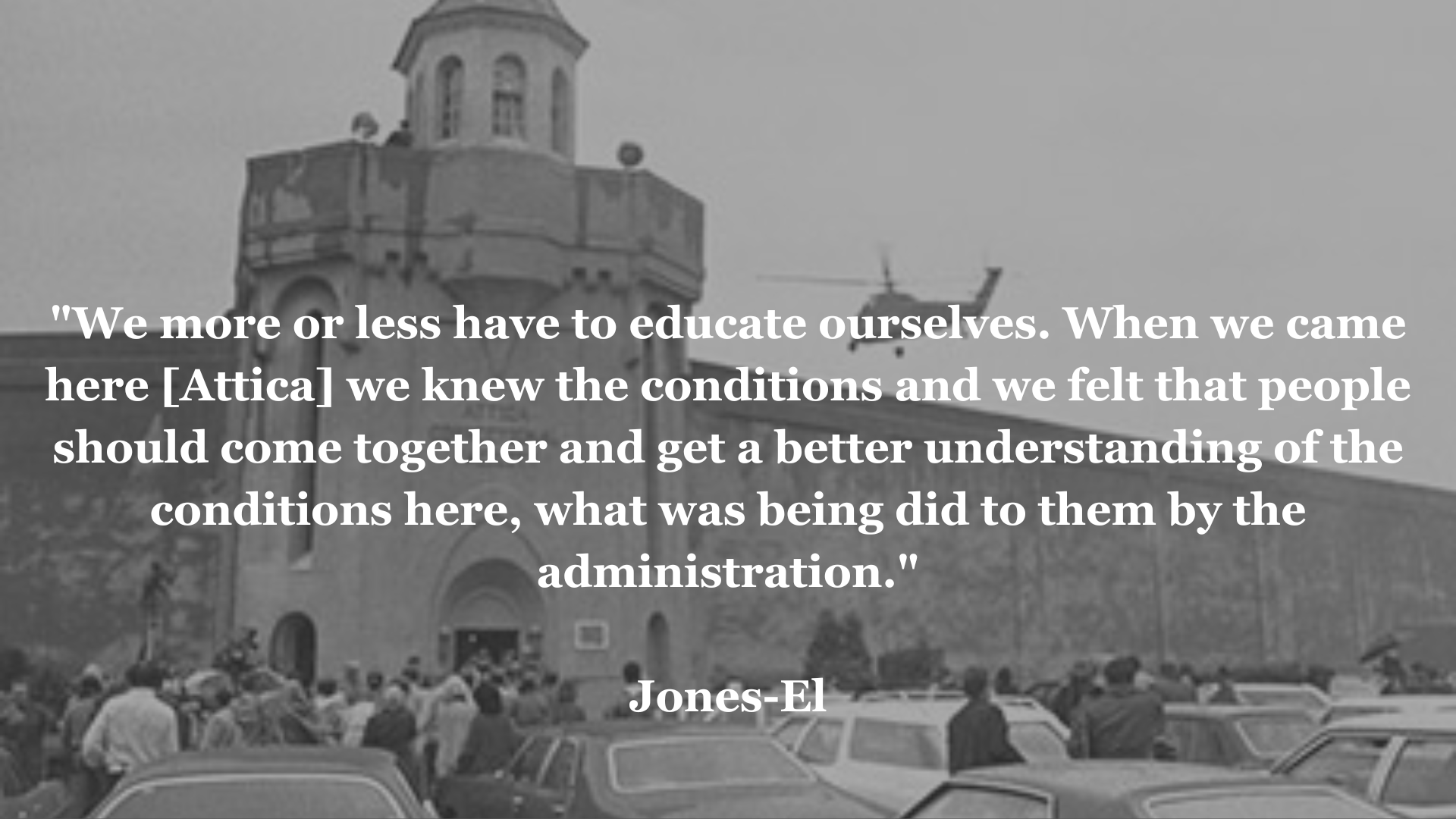

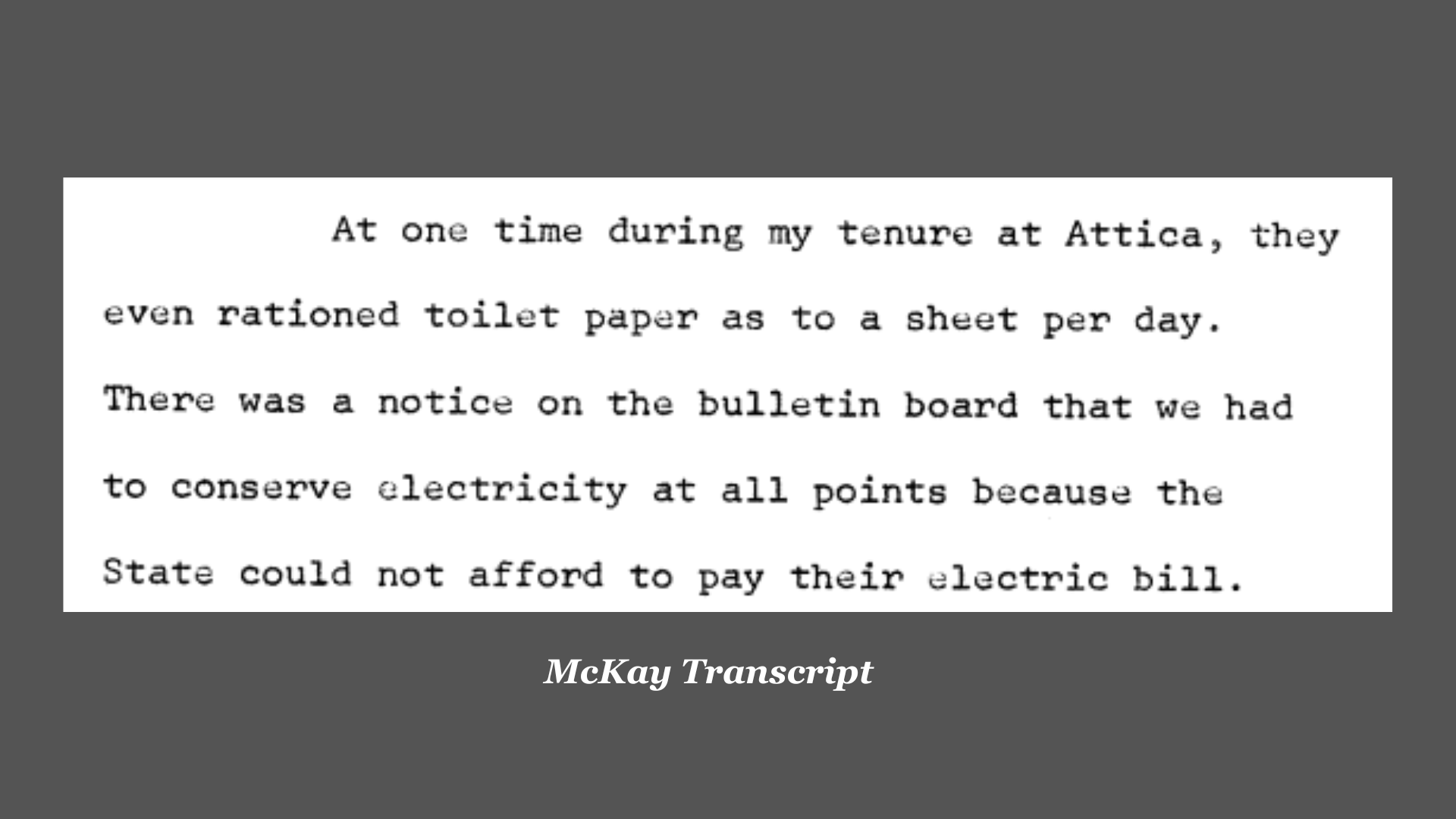
Interview with Frank Smith-former inmate explaining how showers and toilet paper was rationed.
Forced to work, inmates were compensated very little, leaving prisoners still dependent on the system.
"The average wage of a unionized Dry Laundry Worker on the outside is 3.50 per hour, whereas, the average wage of a Laundry slave here is 25¢ per day. The Laundry slave works 3 ½ hours per day for 25¢; an outside unionized worker would earn $10.50 for the same work."
Samuel Melville, "
An Anatomy of the Laundry"
Prisoners had to buy their own toothpaste, soap, and razor blades. The system needed revolutionary change:
Melville,
Dissent, 2021.
"When [you] come right down to it of course, there's only one revoluntionary change as far as [the] prison system in [America] is concerned. But until t[he] day comes when enough of our brothers & sisters realize what that one revolutionary change is we must always be certain our demands will exceed what the pigs are able to grant."
Samuel Melville, " An Anatomy of the Laundry"
"...it is very expensive to live in prison" ( Addison).
White inmates—37% of the population—held 74% of powerhouse jobs, 67% of clerk positions. Black and Puerto Rican inmates got the metal shop and manual labor (McKay Report, 39).
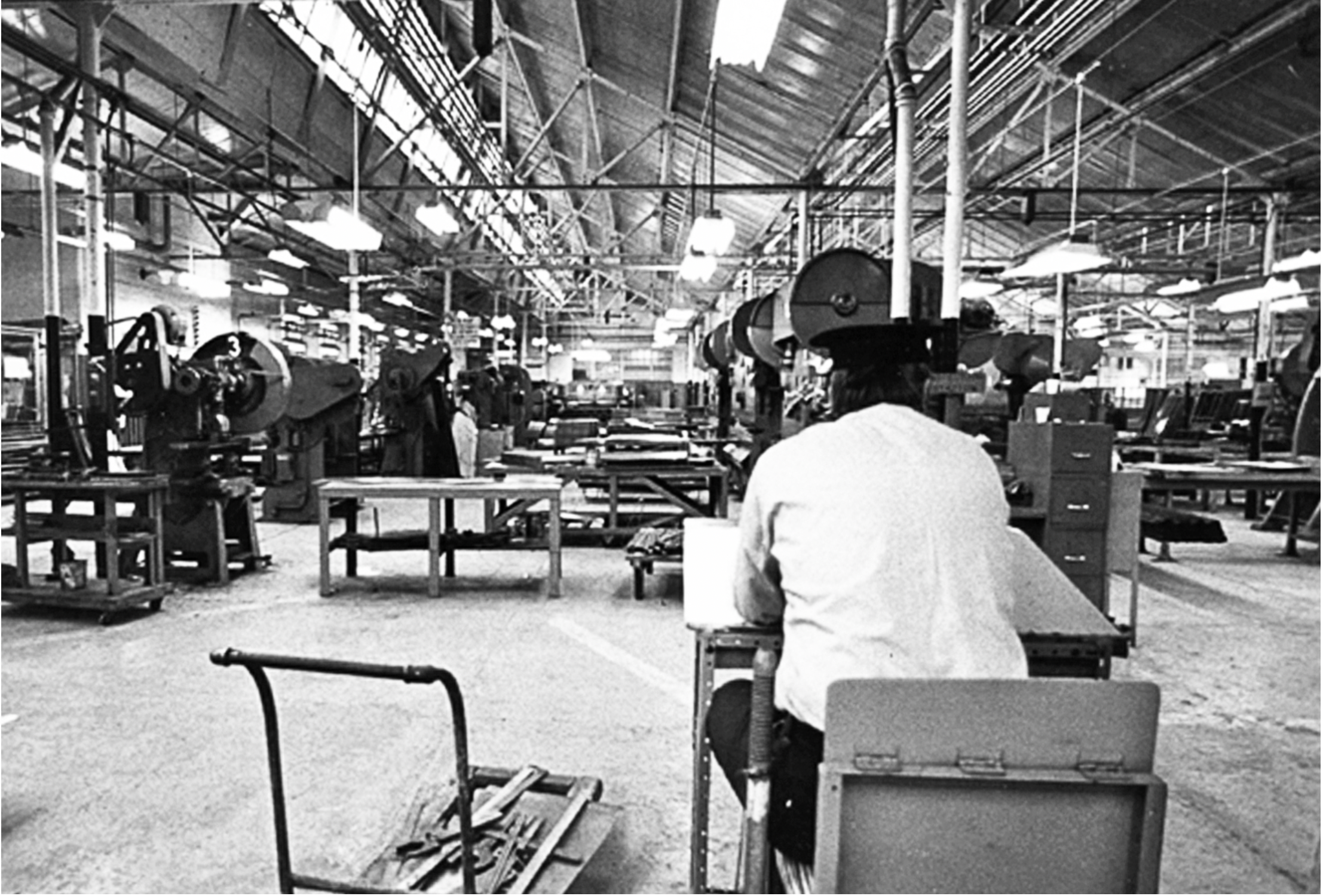
Black worker in the prison metal shop, 1971. Thompson, 16.
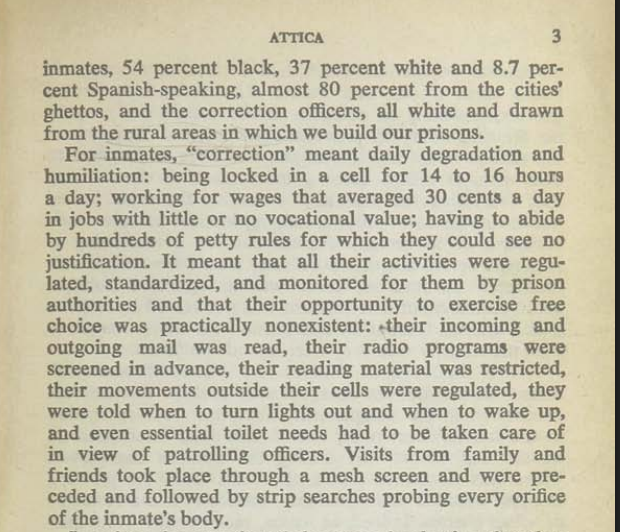
Courtesy of New York State Special Commission on Attica.
Another inmate named Carl Jones-El said:
“Here at Attica they’ve shown racist policy. They discriminate against African Americans and Puerto Ricans as far as job positions. We are given the worst jobs, such as sweeping floors and sweeping bathrooms."
One Black inmate who had served in the segregated South was shocked by what he saw at Attica:
"I was in Mississippi in the army, in Alabama in the army, and I was all over. I want to tell you something about Attica in 1960. I have never seen so much discrimination in one place in my life."
McKay Report, 80
"90% of the abuse has race at the heart of it; they don't like black people plain and simple; most of the guys who are beat up are black."
Anonymous inmate, Correctional Association, 2014.
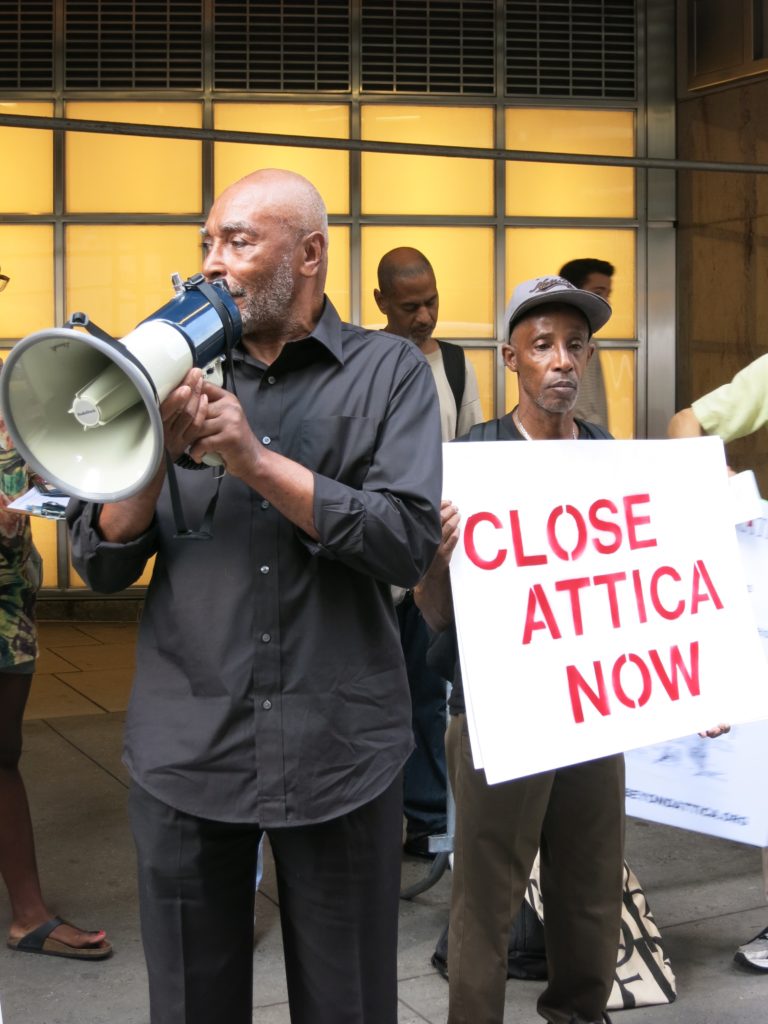
Critical Resistance,
Fighting Imprisonment.
Roche, personal interview, 2026.
"Significantly, the profile of the average prisoner coming to Attica had changed. Many more prisoners were young, politically aware, and determined to speak out when they saw injustices in the facility. These were black and brown youth who had been deeply impacted by the civil rights struggles of this period as well as by the writings of Malcolm X..." and Black Panther George Jackson (Thompson).
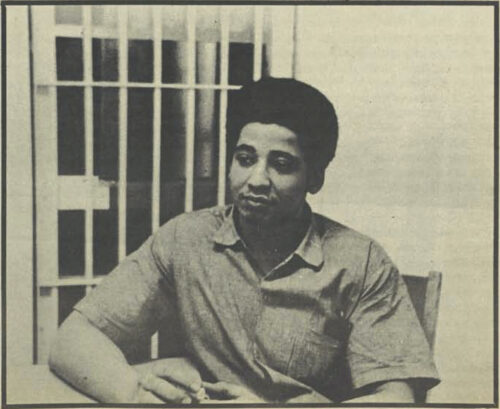
George Jackson, Freedom Archives
George Jackson spoke of prisons
"...Concentration camps won't work on black foaks in America. We're just not going for it. We're together..."
George Jackson, audio recording, Freedom Archives.
"These younger...[prisoners]...made it clear that they were more willing to stand up for themselves—less likely to put up with poor treatment than were Attica’s veterans" (Thompson).
After San Quentin guards killed Black Panther leader, George Jackson, in August 1971, 700 Attica inmates held a silent fast in solidarity. A
revolution
was stirring.
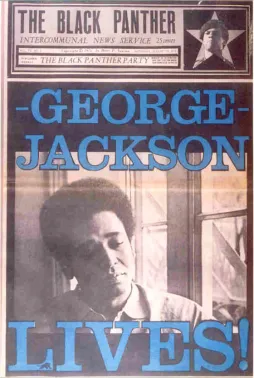
Black Panther Party, “George Jackson Lives!”
Interview with Frank Smith-former inmate
There were only two doctors for the 2,243 prisoners in Attica and neither doctor spoke Spanish, denying some inmates proper healthcare if received at all.
"The only thing the doctors would do was push aspirin." Frank Smith interview
"If an inmate objected to the doctor's disposition of his complaint, he was often threatened with commitment to the psychiatric ward" — McKay Report, 66.